 Griffin OpusGriffin Opus
The Journal
Practical thinking on planning, productivity, and building a paper system that lasts.

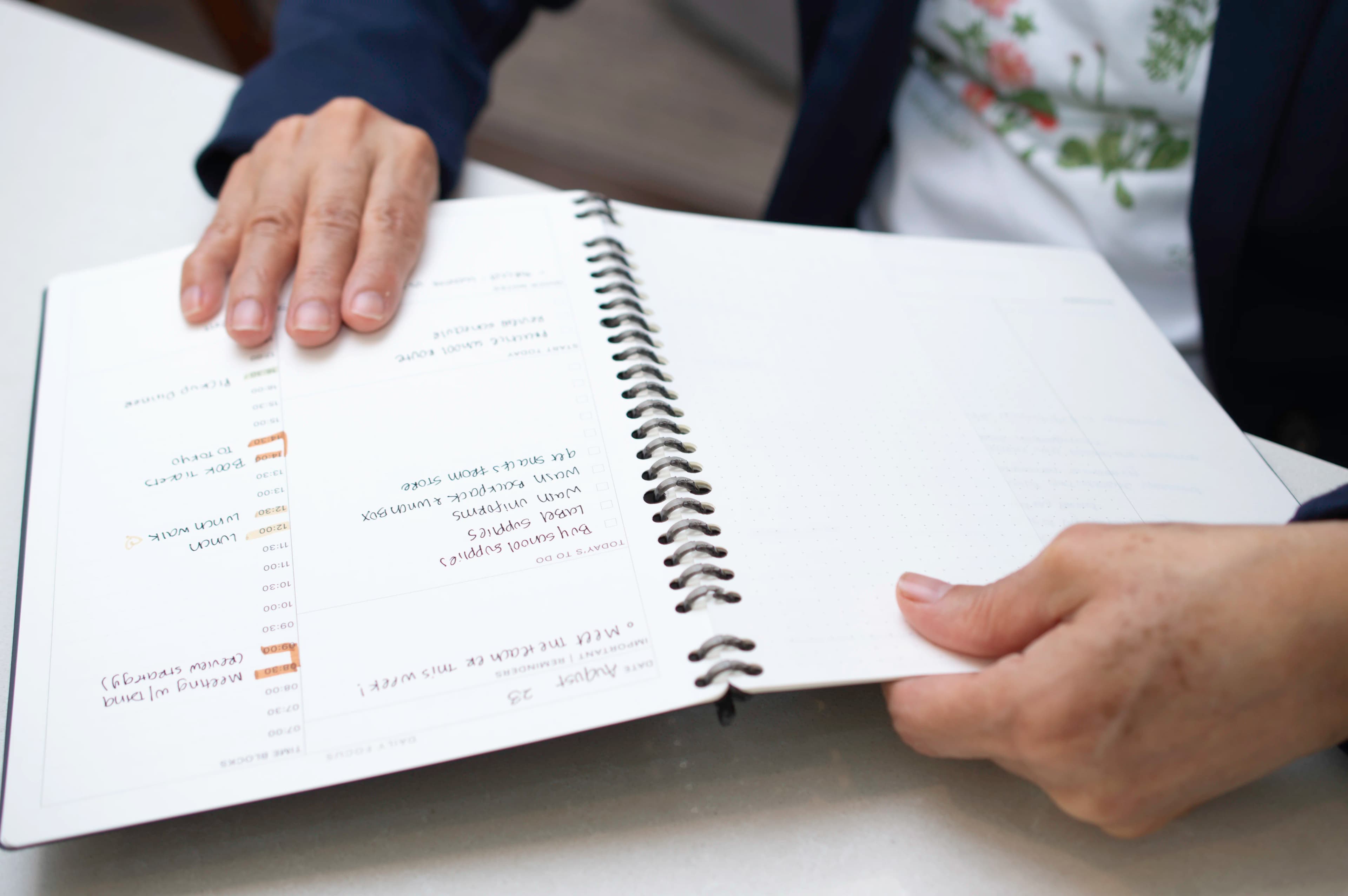
Different notebooks for the week, meetings, and projects means carrying them all, or leaving the wrong one behind. One modular B5 binder holds a template for each job.
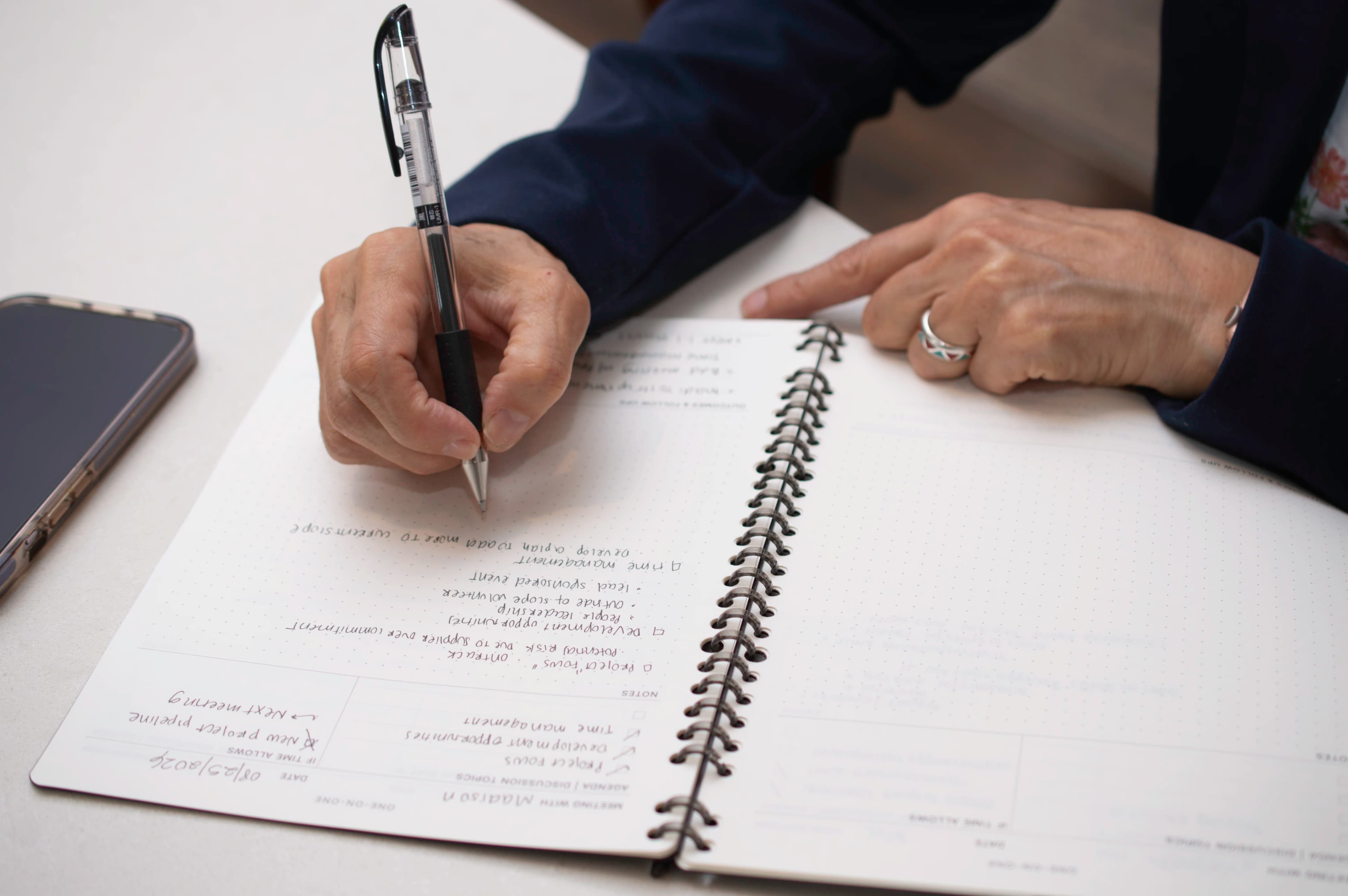
Most meeting notes are just transcription nobody reads again. Here is a simple paper system that captures decisions and next steps you can find later.
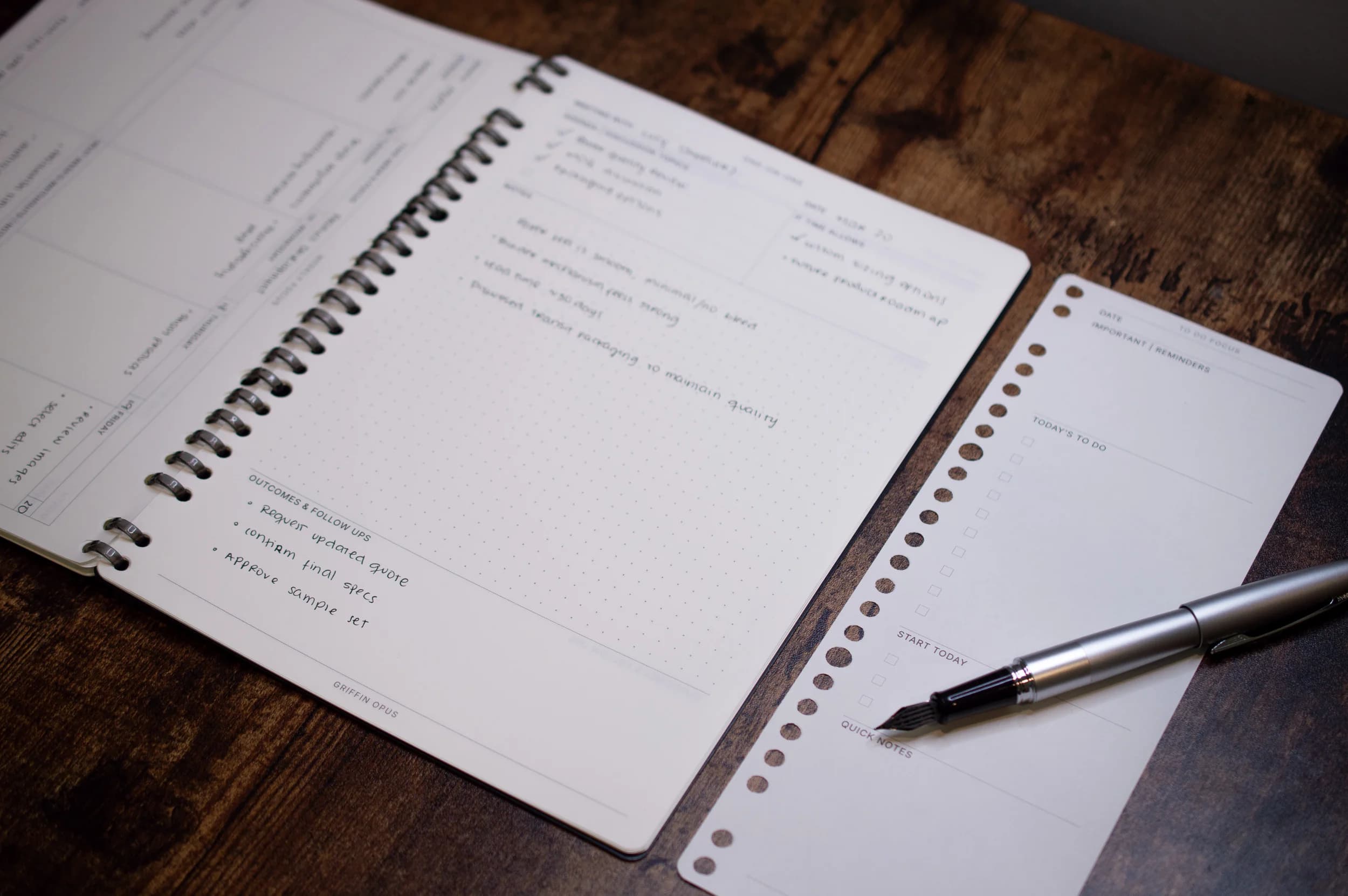
Fragmented attention is the real productivity tax. Here's why a single page, not another app, is the most reliable way to reclaim focus and do deep work.
A calmer approach to time management: protect your attention, choose the two or three things that matter, and plan on one surface instead of many.
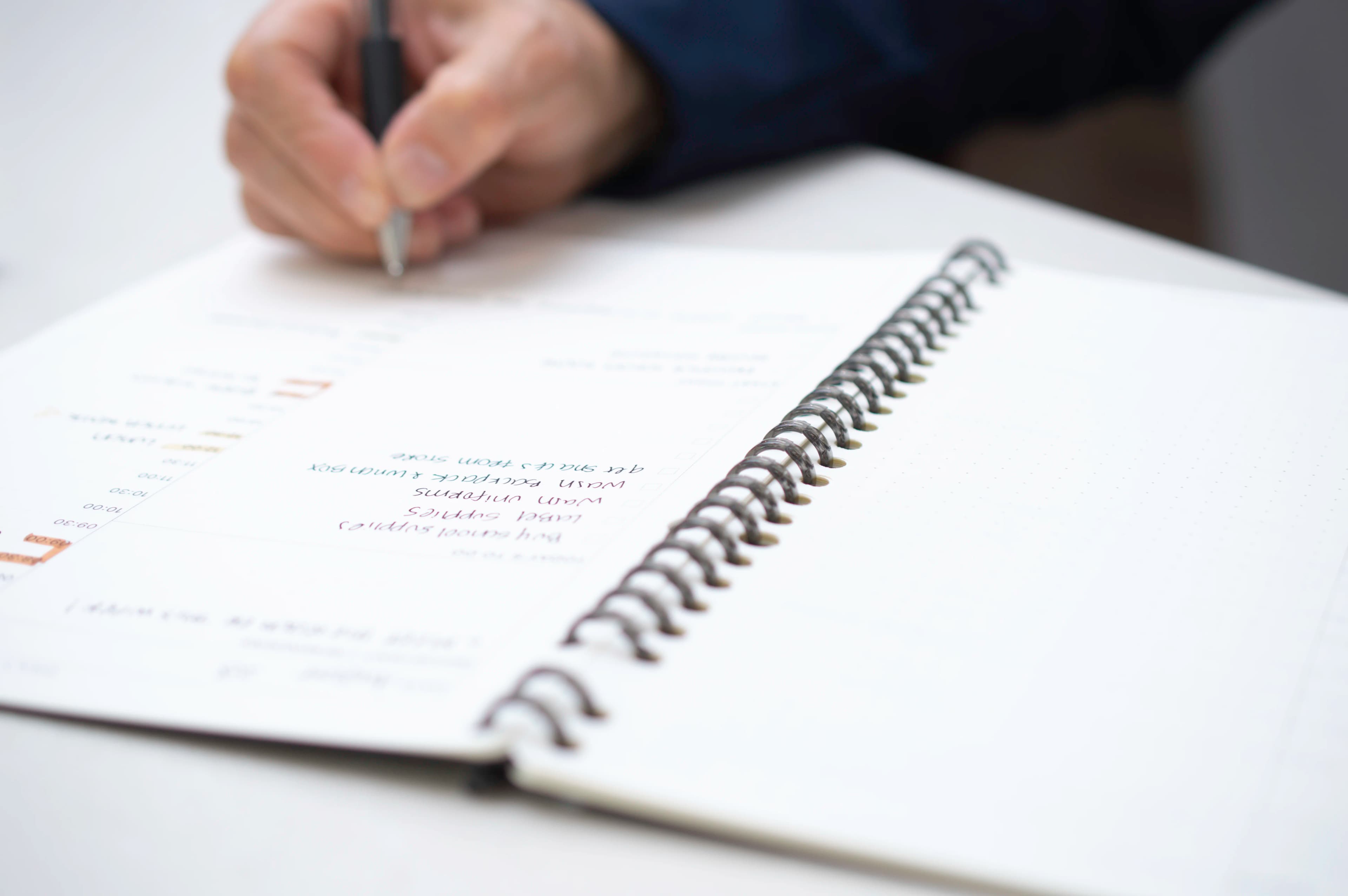
Time blocking on paper takes minutes and forces real prioritization. Here's how to plan a realistic day, leave buffer, and recover when a block runs over.
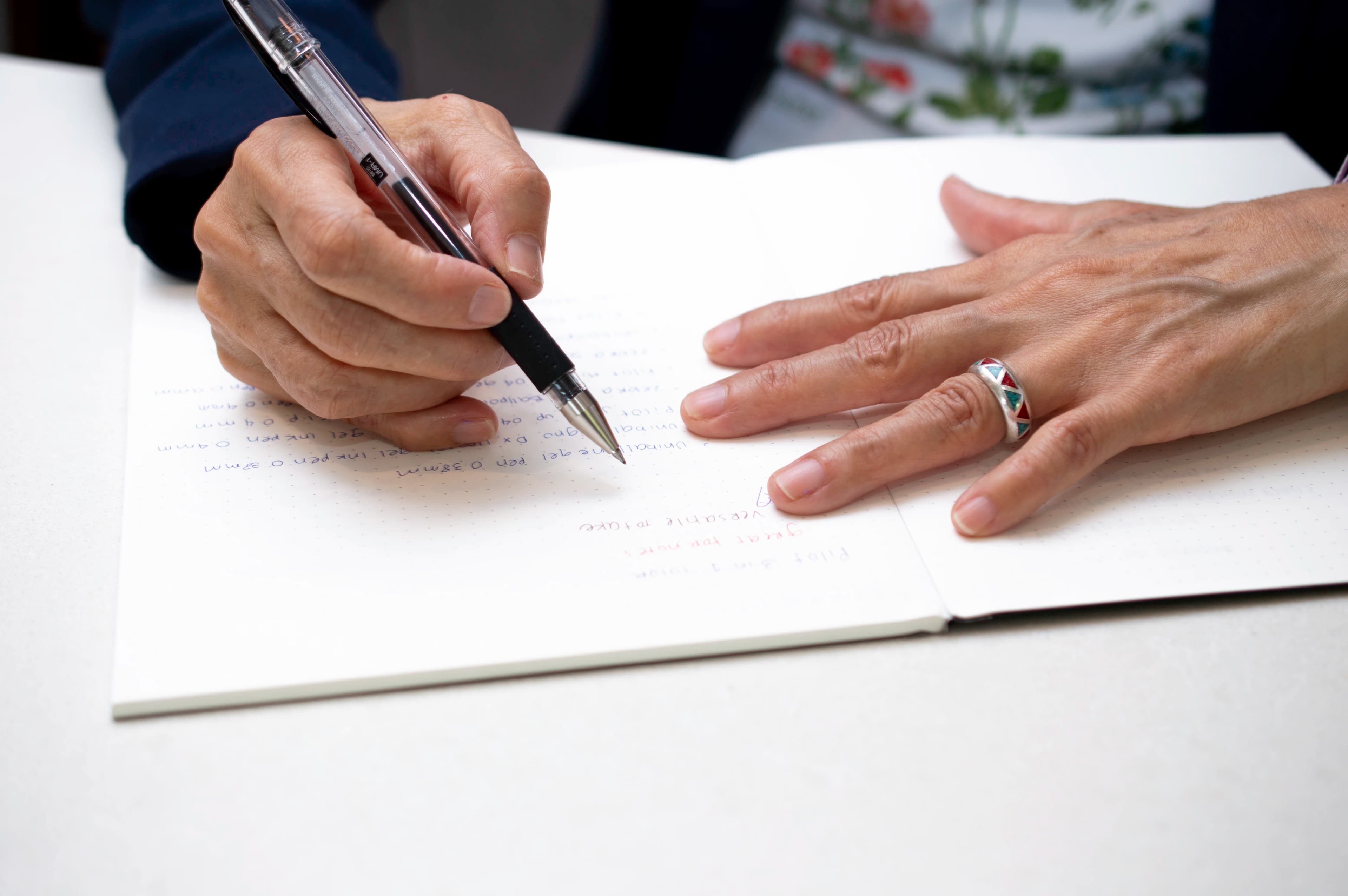
A plain-English guide to the Getting Things Done method, its five steps, run with a binder and a few paper inserts instead of an app.

A grounded take on the vision board: less collage, more clarity. Name what you want on a page, then turn it into a quarterly focus and a weekly action.
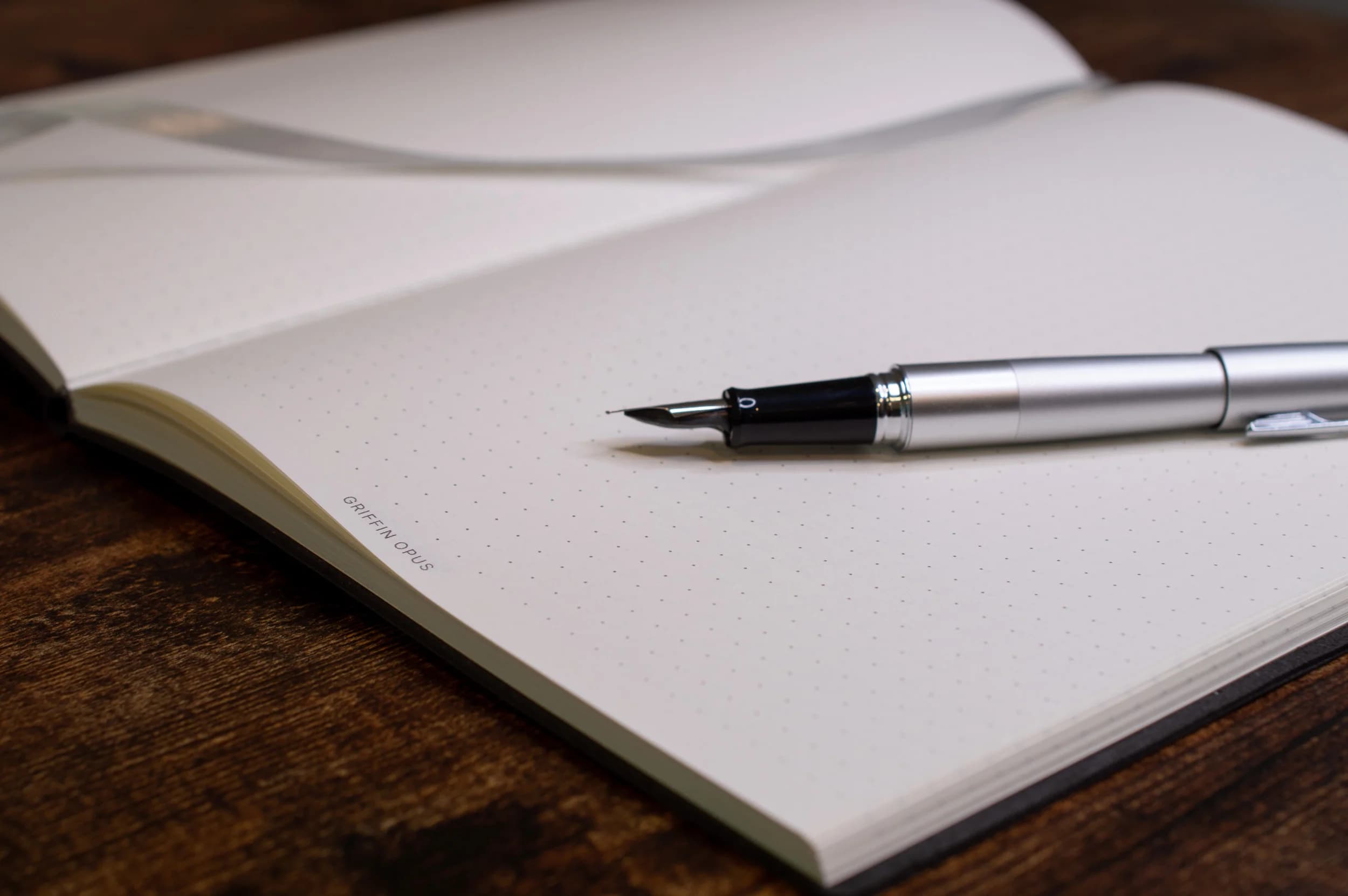
Setting intentions is about how you want to work, not just what you'll achieve. A calm daily practice for steady focus on the days goals feel far off.

How to set goals that outlast January: write fewer and clearer, keep them where you'll see them weekly, and review in ten minutes.

A calm guide to paper habit tracking: why it often sticks better than an app, how to design a simple tracker, and how to handle missed days kindly.
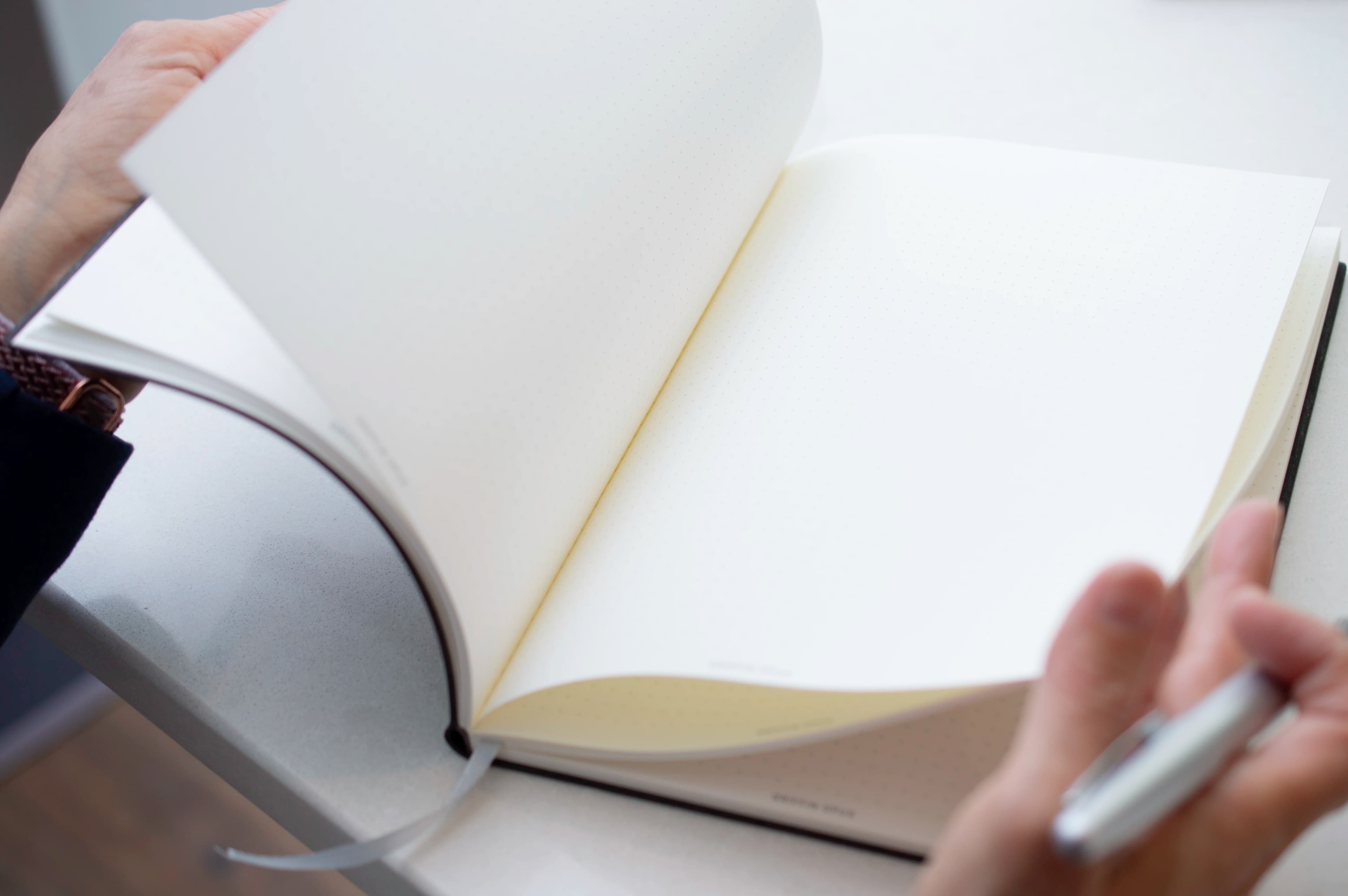
B5 sits between A5 and A4: more writing room than A5, less bulk than A4. Here is exactly how the sizes compare, and how to use a B5 page well.
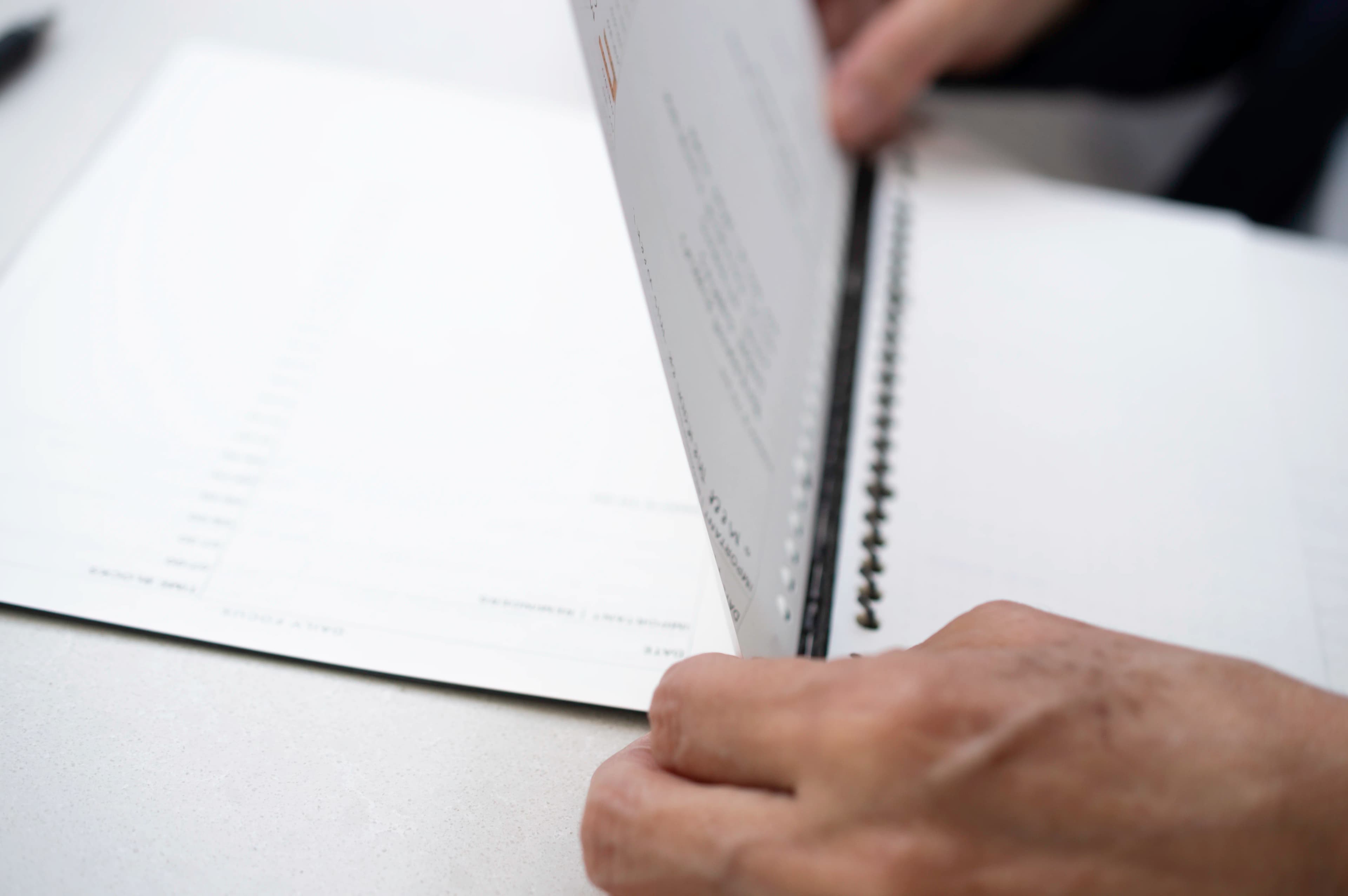
A bound notebook makes you start over every time it fills up. A refillable system does not. Here is the honest case for refilling, from someone who switched.
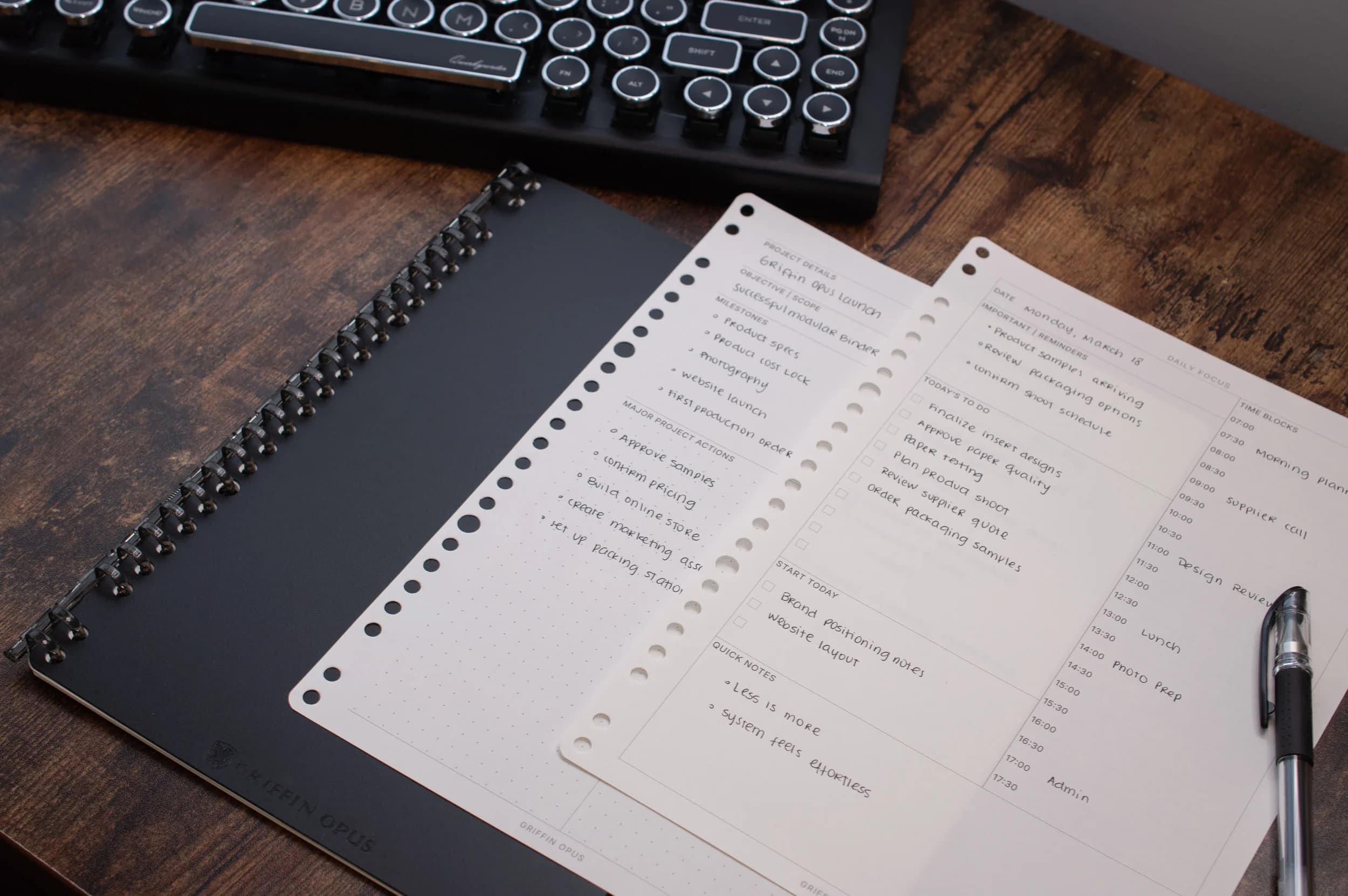
A planner for work has to survive a desk, three meetings, the commute home, and a quiet Saturday hour. Here is what I look for, and what I ended up building.
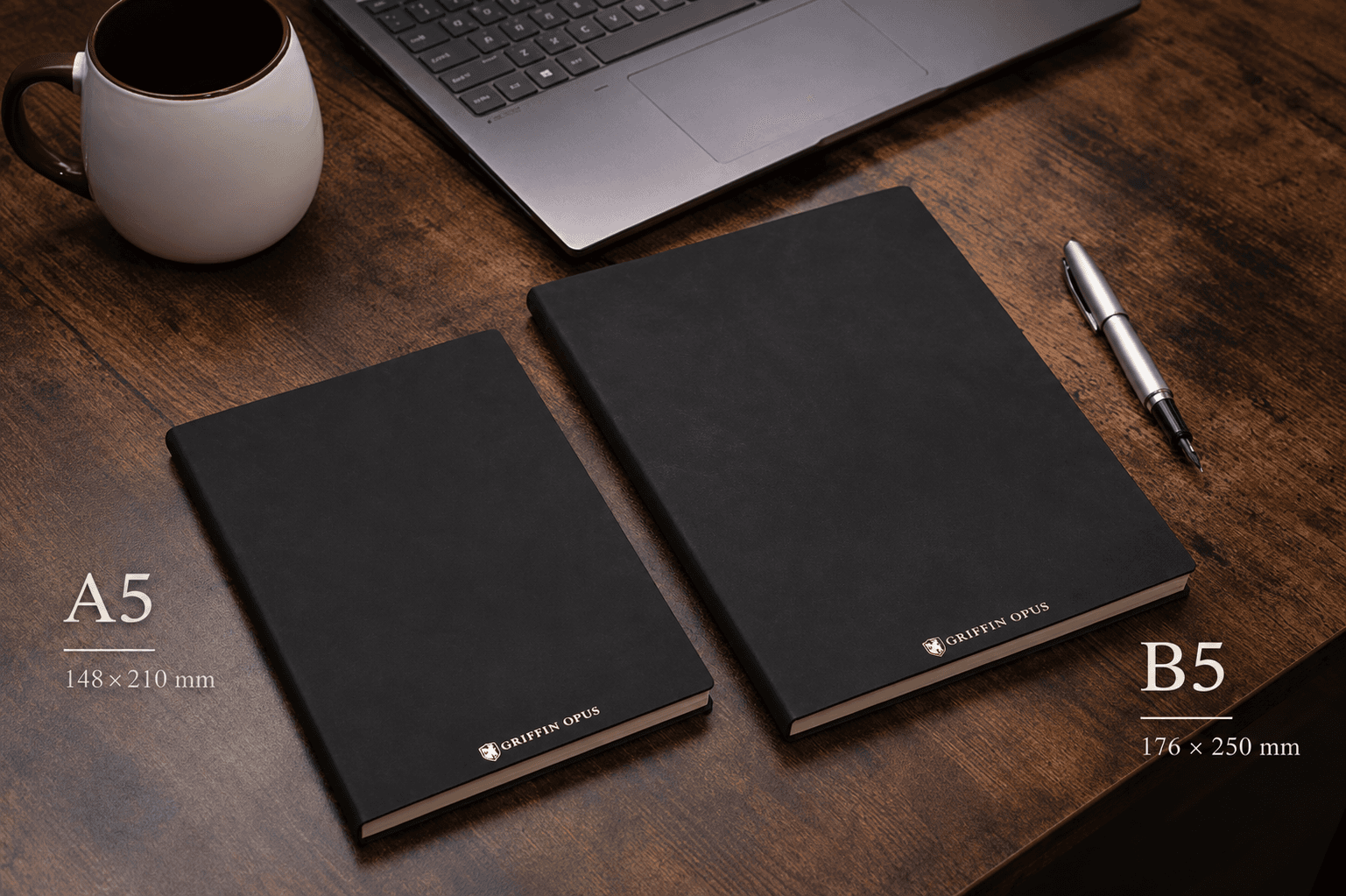
B5 vs A5, side by side, plus where A4 fits. A clear size comparison so you can pick the planner page that matches how and where you actually work.
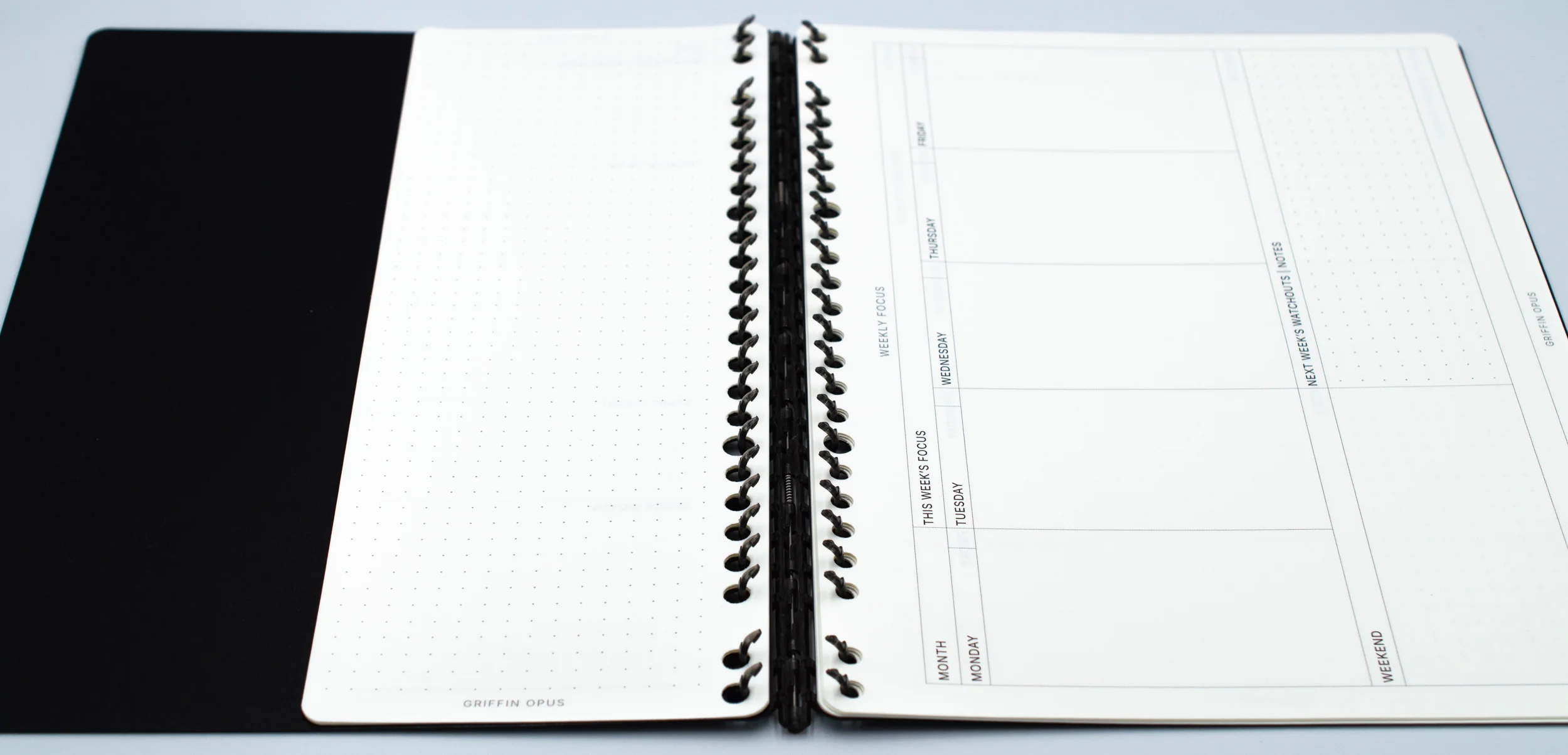
A calm, practical guide to the main planner layouts: daily, weekly, and monthly. Plus how to mix them to match your real work rhythm.
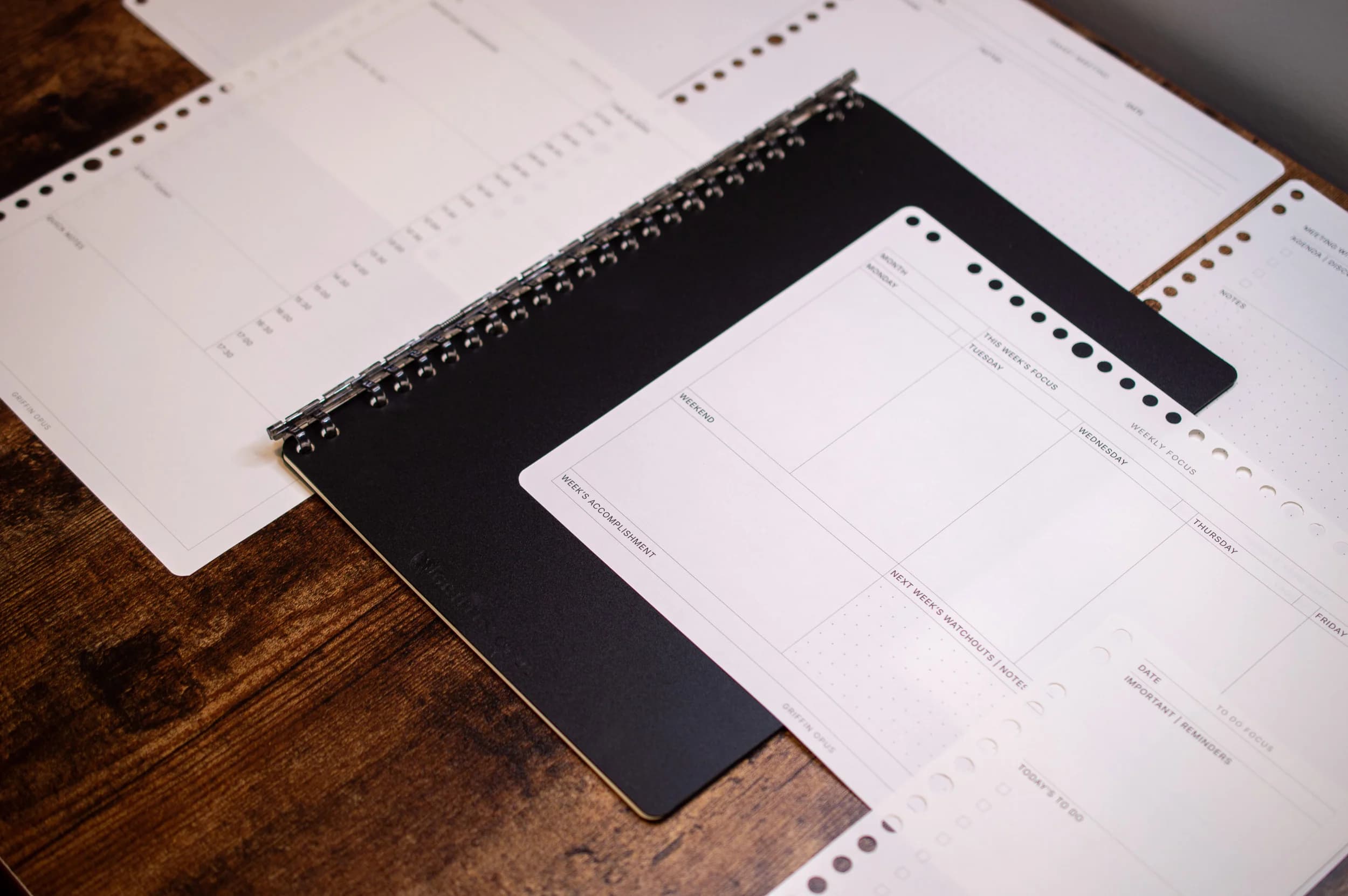
Learn how to build a paper system that grows with your work: start small, give each page one job, and swap inserts as your responsibilities shift.
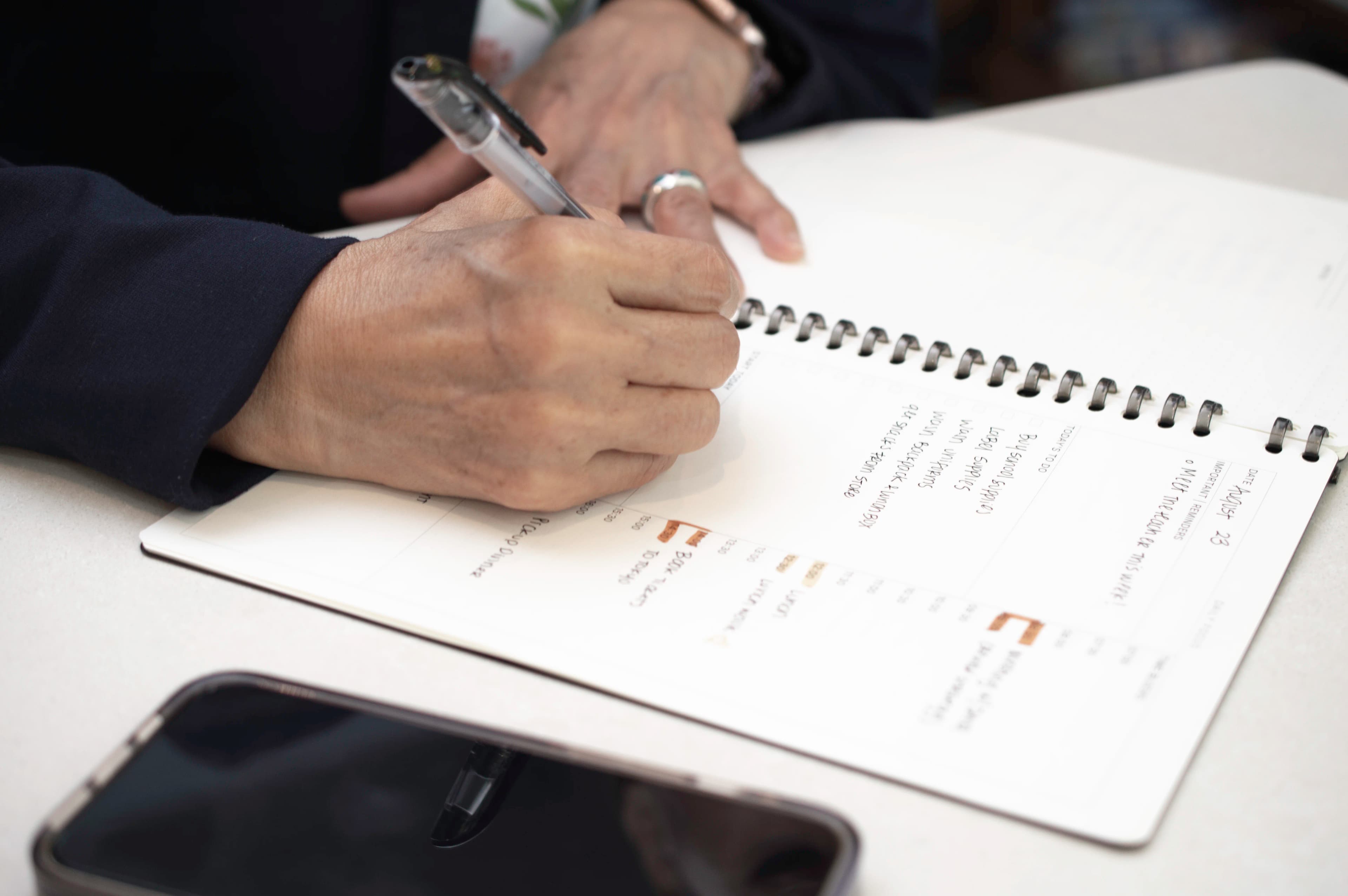
Planning my day did not remove the unexpected. It meant that when the unexpected hit, I knew what I’d be trading off, and could re-plan on purpose.

Stuck on a gift for a coworker, a grad, or a friend starting a new job? Here is the case for something they will actually use every day.
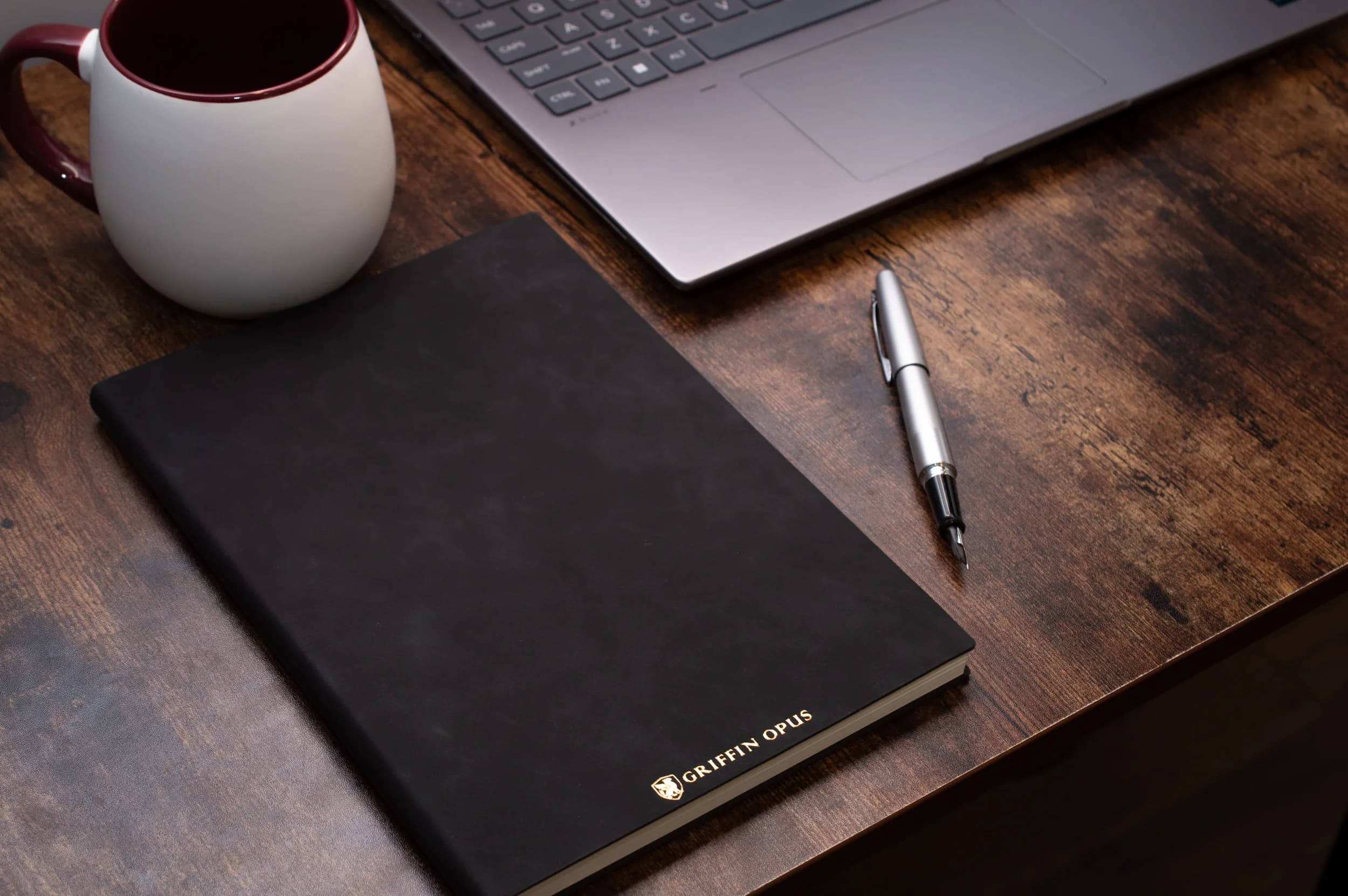
Work from home planning on a single page: a start-of-day ritual, deep-work blocks, and a written shutdown so you can actually log off.

A calmer approach to wellness tracking: follow a few things that matter, reflect weekly on paper, and notice patterns instead of chasing scores.
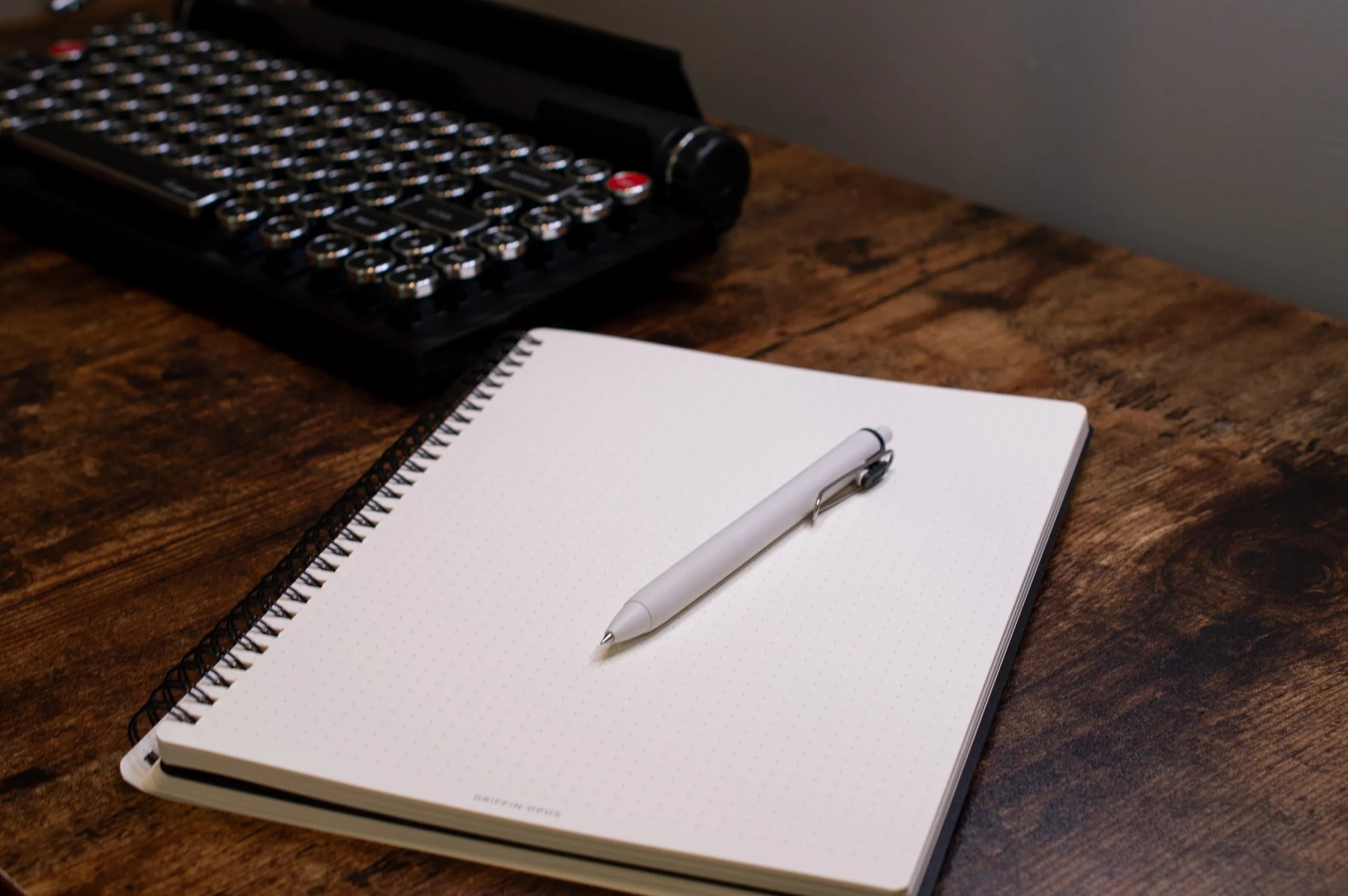
A calm guide to mind mapping on paper: what it is, when it beats a list, how to build one step by step, and how to turn the map into next actions.