
Productivity Methods
Time Management for People Who Hate Time Management
A calmer approach to time management: protect your attention, choose the two or three things that matter, and plan on one surface instead of many.
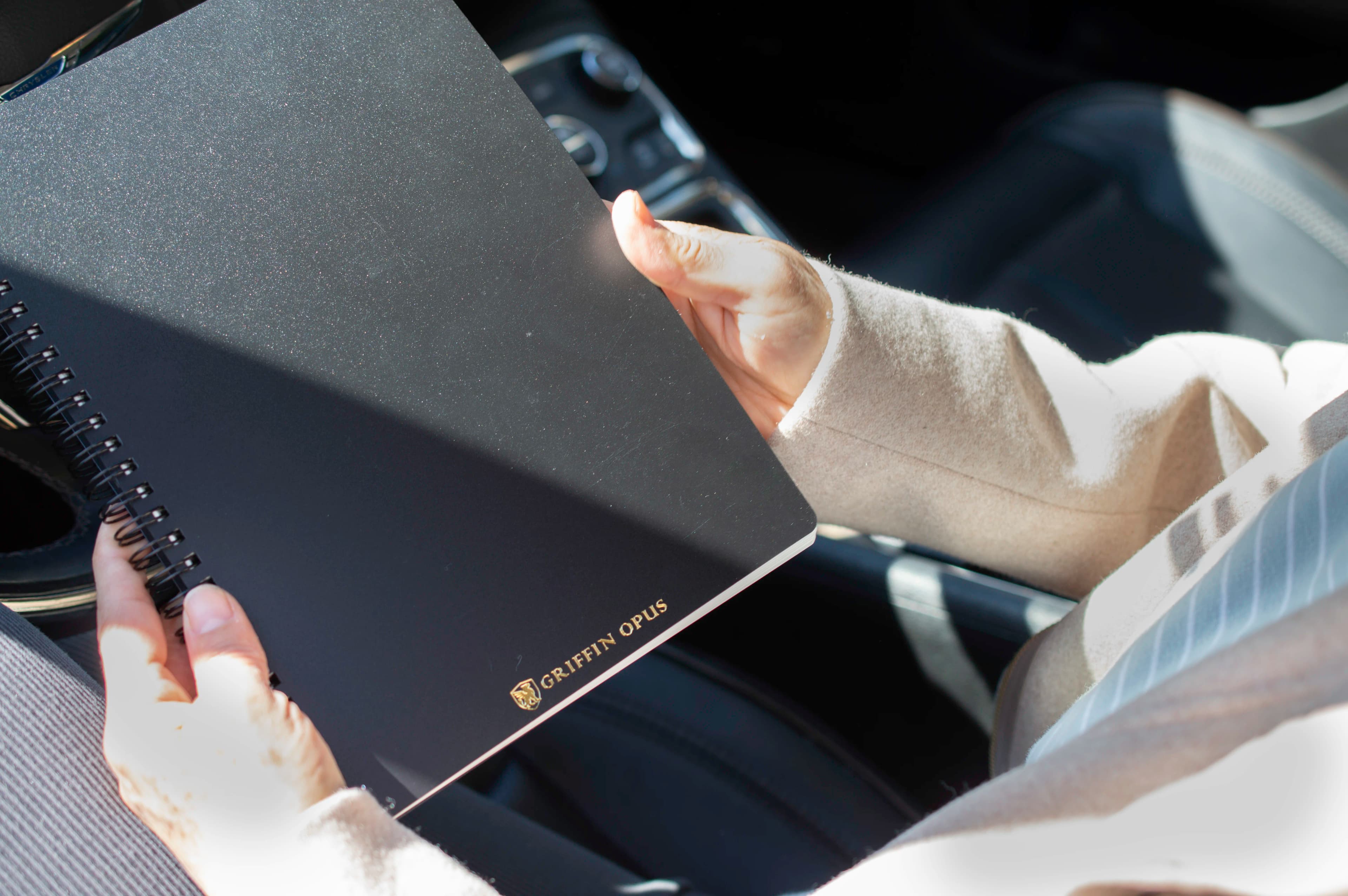
Most time management advice assumes you want to do more. It hands you color-coded blocks, nested apps, and a promise that if you just optimize hard enough, the day will finally hold everything you've asked of it. For a certain kind of person, this is exactly the wrong medicine. The problem was never that the hours were poorly arranged. The problem is that too many things are asking for them at once.
So let's set the usual framing aside. Good time management is not about squeezing more into the day. It's about protecting your attention and deciding, honestly, what actually deserves it. What follows are a few durable principles for people who find most systems exhausting.
Fewer priorities, chosen on purpose
A list of twelve priorities is not a list of priorities. It's a list of anxieties. When everything is urgent, your attention scatters evenly across all of it, which means nothing gets the depth it needs. The move is not to work faster. It's to choose fewer things and let the rest wait without guilt.
Pick two or three that count for the day. Not two or three you'd like to touch, but the ones that would make the day feel spent well even if nothing else happened. This is a decision, not a wish, and making it in advance is most of the work.
You do not manage time. You decide what gets your attention, and let the clock take care of itself.
One surface to plan on
Attention leaks through seams. A task in your calendar, another in a notes app, a third on a sticky note, a fourth living quietly in your inbox. Every surface you scatter across is a small tax you pay to remember where things are. The fix is not a better app. It's one system instead of five apps.
Keep one surface where the day is planned. For many people, paper is the honest choice here: a single page cannot notify you, cannot open a second tab, cannot suggest eleven other things. It just holds what you decided. That constraint is the feature. When the plan lives in one place you can see and carry, the day stops feeling like a search.
- Write the two or three priorities at the top, before anything else lands.
- Keep supporting tasks below them, not beside them: hierarchy, not a pile.
- Let the calendar hold only real appointments, not aspirations.
- Close the loop each evening rather than carrying the whole list forward.
Decide the night before
Mornings are a poor time to negotiate with yourself. Willpower is thin, the inbox is loud, and whatever shouts first tends to win. Deciding the night before moves the hardest choice, what matters tomorrow, to a quieter moment when you can make it calmly.
It takes about five minutes. Look at the day ahead, name the two or three things that count, and write them down where you'll see them first. You wake into a decision already made, rather than a blank to be filled under pressure.
A short review, and nothing more
Systems fail when maintaining them becomes its own job. The elaborate weekly audit, the migration ritual, the endless retagging. These are productivity theater, and they quietly become the thing you do instead of the work. A review should be short enough that you'll actually do it.
Once a day is plenty. At the close of the afternoon, glance back: what got done, what carries over, what can simply be let go. Cross the finished lines, not to celebrate but to see clearly. Then set the two or three that count for tomorrow. That's the whole practice: small, repeatable, and quiet enough to keep.
If you try one thing today, make it this: tonight, before you close the day, write down the two or three things that would make tomorrow feel well spent. Nothing else. Then let the clock take care of itself.
Quick answers
How can I make time management feel calmer instead of exhausting?
For many people, the calm comes from choosing fewer things, not moving faster. Pick the two or three that would make the day feel well spent, and let the rest wait. When your plan lives on one surface you can see and carry, there is one place to look instead of five, which many people find steadier.
Can keeping everything in one place reduce the mental load of staying organized?
For many people, yes, in a practical sense. Every extra surface, a calendar here, a notes app there, a sticky note, is one more place to remember. Keeping the day on a single page means one place to look and nothing to reconcile. Fewer seams to track often helps make staying organized feel like less work.
Put it into practice
Build your system.
Start with the binder and add the pages that match how you actually work.
Build your system →