
Productivity Methods
Getting Things Done, on Paper
A plain-English guide to the Getting Things Done method, its five steps, run with a binder and a few paper inserts instead of an app.
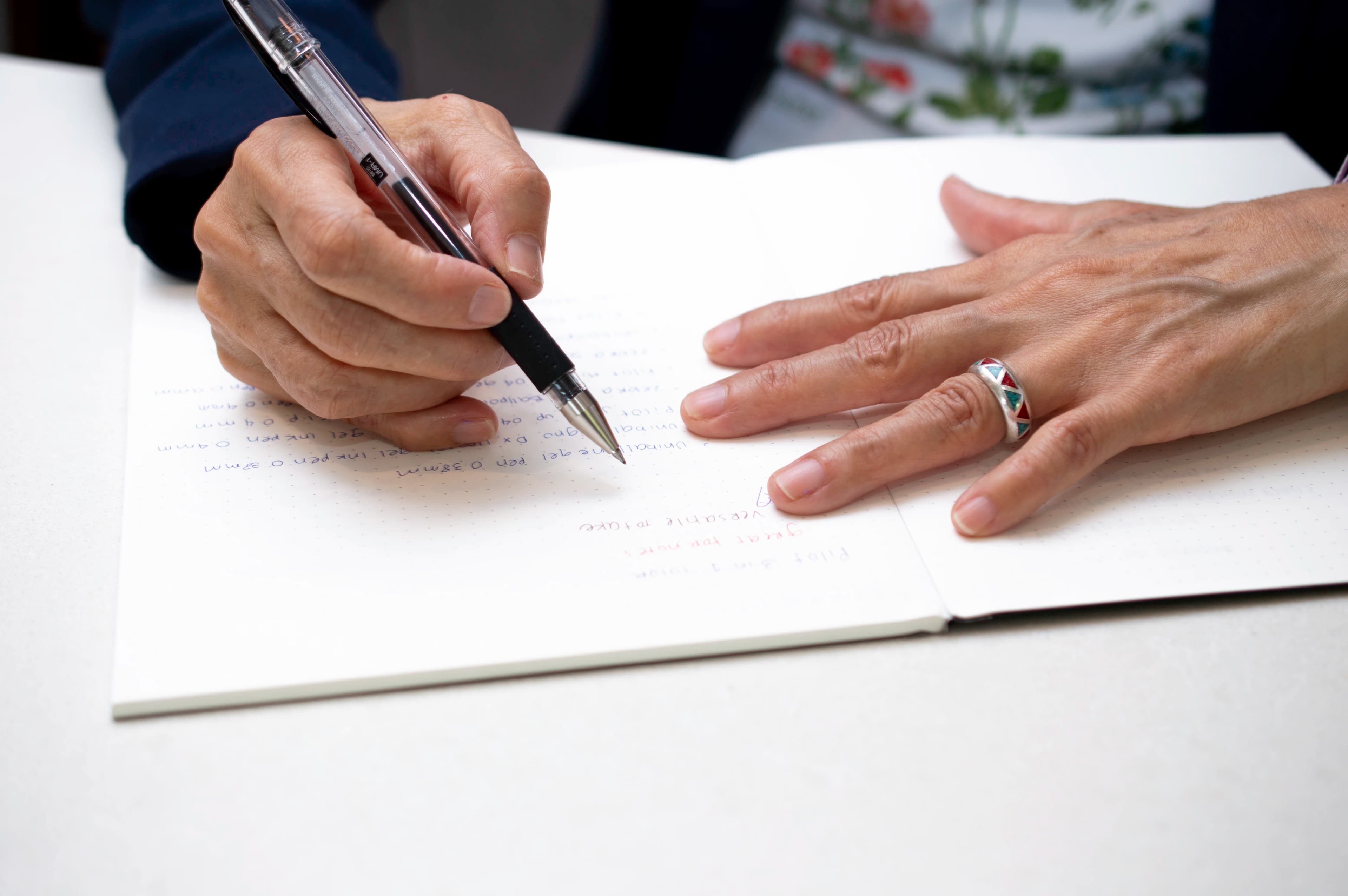
Most people meet the Getting Things Done method through an app: a stack of notifications, nested projects, tags within tags. But the idea underneath all that machinery is older and simpler than any software. David Allen's premise is almost humble: your mind is a poor place to store commitments, and a much better place to think. The work, then, is to get everything out of your head and somewhere you trust, so your attention is free for the task in front of you.
You can run the whole thing on paper. A binder, a handful of focused paper inserts, and a pen will carry the method further than most people expect, and the friction of writing turns out to be a feature, not a limitation.
The five steps, briefly
The Getting Things Done method rests on five moves you repeat. Capture everything that has your attention. Clarify what each item actually is and whether it needs an action. Organize the results into the right places. Reflect by reviewing those places regularly. And engage: simply do the work, chosen with a clear head rather than a nagging one.
Nothing here demands a screen. Each step maps cleanly onto a page you can hold. What the method really asks for is a reliable container and the discipline to return to it, and paper is unusually good at both.
A simple analog setup
Start with four inserts and resist the urge to add more. A capture page lives at the front: a single running list where anything that crosses your mind gets written down the moment it arrives, unsorted and unjudged. This is the pressure-release valve, and it only works if it is effortless to reach.
Behind it sits a next-actions list: the concrete, physical steps you have already decided to take. Not "website," but "draft the three headlines." Then a projects page, holding anything that needs more than one action, each with a clear outcome written beside it. Once a week, everything meets at the weekly review: the quiet hour that keeps the system honest.
- Capture page: one running list for every thought, task, and stray idea.
- Next-actions list: the specific next step for each thing you are moving on.
- Projects page: anything requiring more than one action, with its outcome named.
- Weekly review: a standing appointment to process, tidy, and re-read.
Your mind is for having ideas, not holding them. The moment a commitment lives somewhere you trust, your attention stops guarding it.
Why paper suits the method
An app is built to hold thousands of items indefinitely, which is precisely why systems rot inside them. A binder has honest limits. When your next-actions list spills onto a second page, you feel it, and that feeling prompts the review the method depends on. The medium keeps you close to the work.
There is also the plain fact of writing by hand. Slowing down to form the words forces a small clarification: you cannot capture "deal with the Henderson thing" without half-deciding what dealing with it means. The pen does part of the clarifying step for you, and nothing buzzes while you think.
You do not need to adopt every corner of the framework to benefit. The capture habit alone, getting it all down, out of your head and onto a page, resolves most of the low background hum people mistake for being busy.
Start today
Open a blank page and spend ten minutes writing down everything currently taking up room in your head: every task, worry, half-formed plan, no matter how small. Do not organize it yet. Just get it out. That single page is the whole method in miniature, and it is enough to begin.
Quick answers
Can writing everything down help clear a cluttered mind?
For many people, it can. The premise of Getting Things Done is that your head is a poor place to store commitments. When you capture every open loop on a trusted page instead, there is nothing nagging you to remember it. Many people find their attention is freer for the task in front of them.
How do I stop feeling like I am forgetting something important?
It can help to keep one capture page you always reach for, where anything on your mind gets written the moment it arrives. Pair it with a weekly review so nothing quietly goes stale. For many people, knowing every commitment lives in one trusted place is what settles the nagging sense of forgetting.
Put it into practice
Build your system.
Start with the binder and add the pages that match how you actually work.
Build your system →