
Productivity Methods
Time Blocking: Plan the Day That Actually Happens
Time blocking on paper takes minutes and forces real prioritization. Here's how to plan a realistic day, leave buffer, and recover when a block runs over.
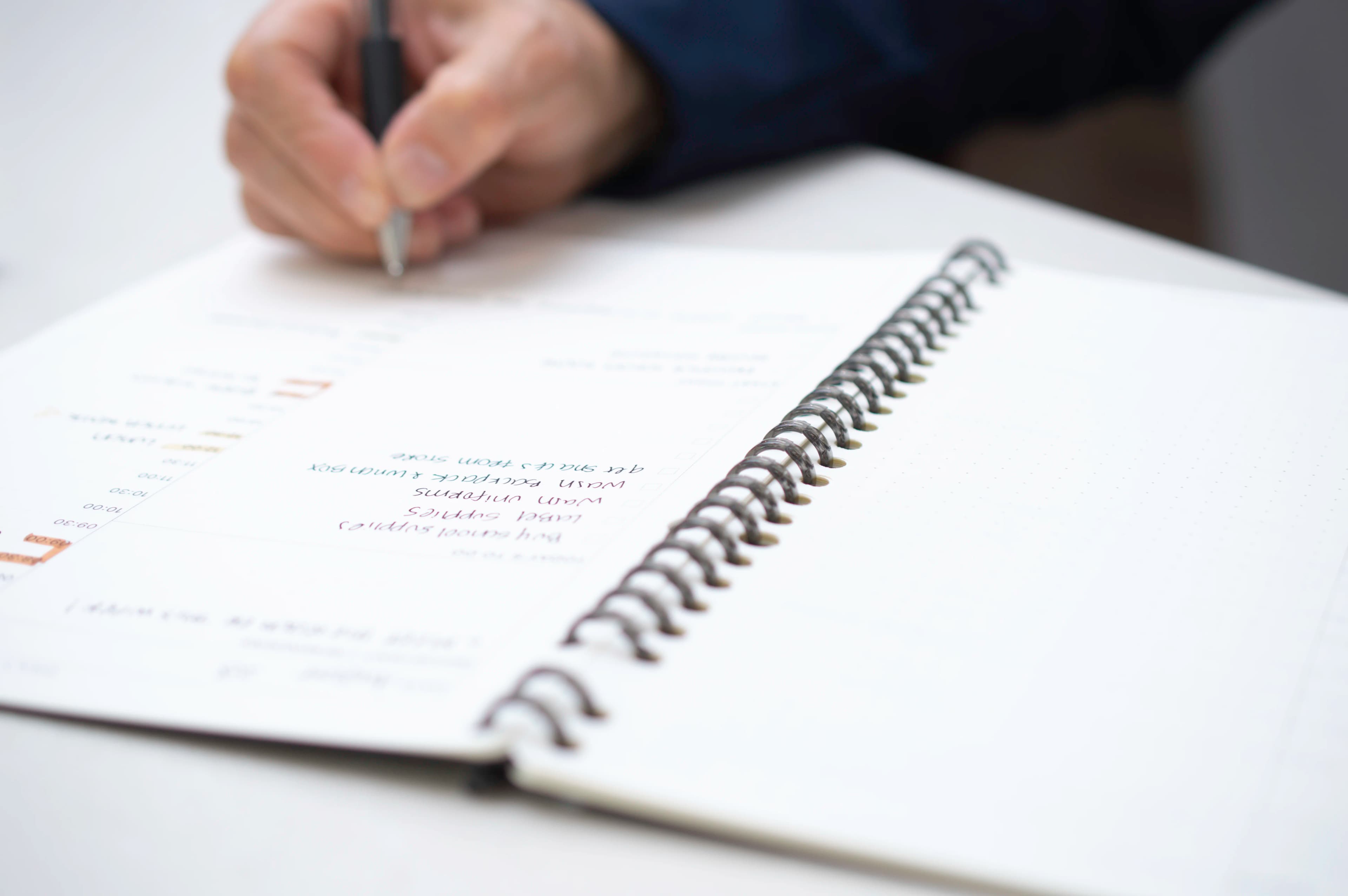
Most days start with a list and end with a shrug. The list was honest enough: eight things that all felt important at 8 a.m., but a list says nothing about when any of it will happen, or whether the day is even long enough to hold it. By evening, three things are done, four have quietly rolled to tomorrow, and one turned out to matter more than the rest but never got its turn. Time blocking is the small correction that fixes this: instead of listing what you hope to do, you decide when you will do it.
What time blocking actually is
Time blocking means assigning specific work to specific slots on your day. Not "write the report" floating on a list, but "write the report, 9:30 to 11." Each task gets a start, an end, and a place among the others. The method is old and unglamorous, which is part of why it works: there is nothing to configure and nothing to learn.
The reason it holds up is that it makes trade-offs visible. A list can pretend the day is infinite. A blocked calendar cannot. When you try to fit the report, three meetings, and two hours of deep reading into a day that has room for maybe two of them, the conflict shows up on the page before it shows up in your stress. You are forced to prioritize, because the slots run out. That friction is the point, not a flaw.
How to do it on paper in a few minutes
You don't need software for this. A single sheet works, and the Daily Focus insert is made for exactly this kind of day. A rough column of hours down the left margin, and five quiet minutes are enough. Writing it by hand slows you down just enough to make honest decisions about what actually fits.
Start with what's already fixed: meetings, calls, the school run. Then place your real work into the gaps that remain. Give the hardest task your best hour, whenever that falls for you. Keep the blocks generous; work almost always takes longer than the optimistic version in your head.
- Draw the hours you'll actually work down the left edge, nothing more ambitious than that.
- Block the fixed commitments first, so you're planning around reality, not over it.
- Give your most demanding task a named slot during your sharpest hour.
- Leave one or two blocks deliberately empty as buffer for the day's inevitable interruptions.
- Cap the plan at what fits: if it won't go on the page, it won't go in the day.
A plan you can't keep isn't ambition. It's just tomorrow's disappointment, scheduled in advance.
Leave white space, and plan to recover
The most common mistake is packing the sheet wall to wall. A day with no gaps has no capacity to absorb the phone call, the question at your desk, the task that runs twenty minutes long, and something always runs long. Leave white space on purpose. Unscheduled time isn't wasted; it's the margin that lets the rest of the plan survive contact with the day.
When a block does overrun, resist the urge to shove everything down and rebuild the afternoon. Instead, make one small decision at the seam: finish the task and drop something lower down, or stop where you are and move on. Time blocking isn't a contract with your morning self that the rest of the day must honor. It's a starting position you're allowed to adjust. The plan's job is to make the first move obvious and the trade-offs clear, not to be right about every hour before the hour arrives.
Realistic planning assumes the plan will bend. A good day rarely matches the sheet exactly, and it doesn't need to. What matters is that you spent your best attention on the thing that deserved it, and that you always knew what came next.
Today, try just the first hour. Before you open anything else, write down the one task that most deserves your morning and give it a real block: a start and an end. Leave the rest of the day loose. See how much changes when a single hour actually happens on purpose.
Quick answers
Can time blocking help make a busy day feel less overwhelming?
For many people, it can, because it makes trade-offs visible. When you assign each task a real slot instead of a floating list, the day can only hold so much, and the conflict shows on the page before it shows up in your day. Seeing what actually fits often helps make an overloaded day feel more manageable.
How do I stop overloading my to-do list?
It can help to block time instead of listing tasks. A list can pretend the day is infinite; a blocked page cannot. Draw the hours you will actually work, place your fixed commitments first, then fit real work into the gaps. When the slots run out, you are prompted to choose rather than pile on.
Put it into practice
Build your system.
Start with the binder and add the pages that match how you actually work.
Build your system →