
Guides & Wellbeing
How Planning My Day Made the Unexpected Easier to Handle
Planning my day did not remove the unexpected. It meant that when the unexpected hit, I knew what I’d be trading off, and could re-plan on purpose.
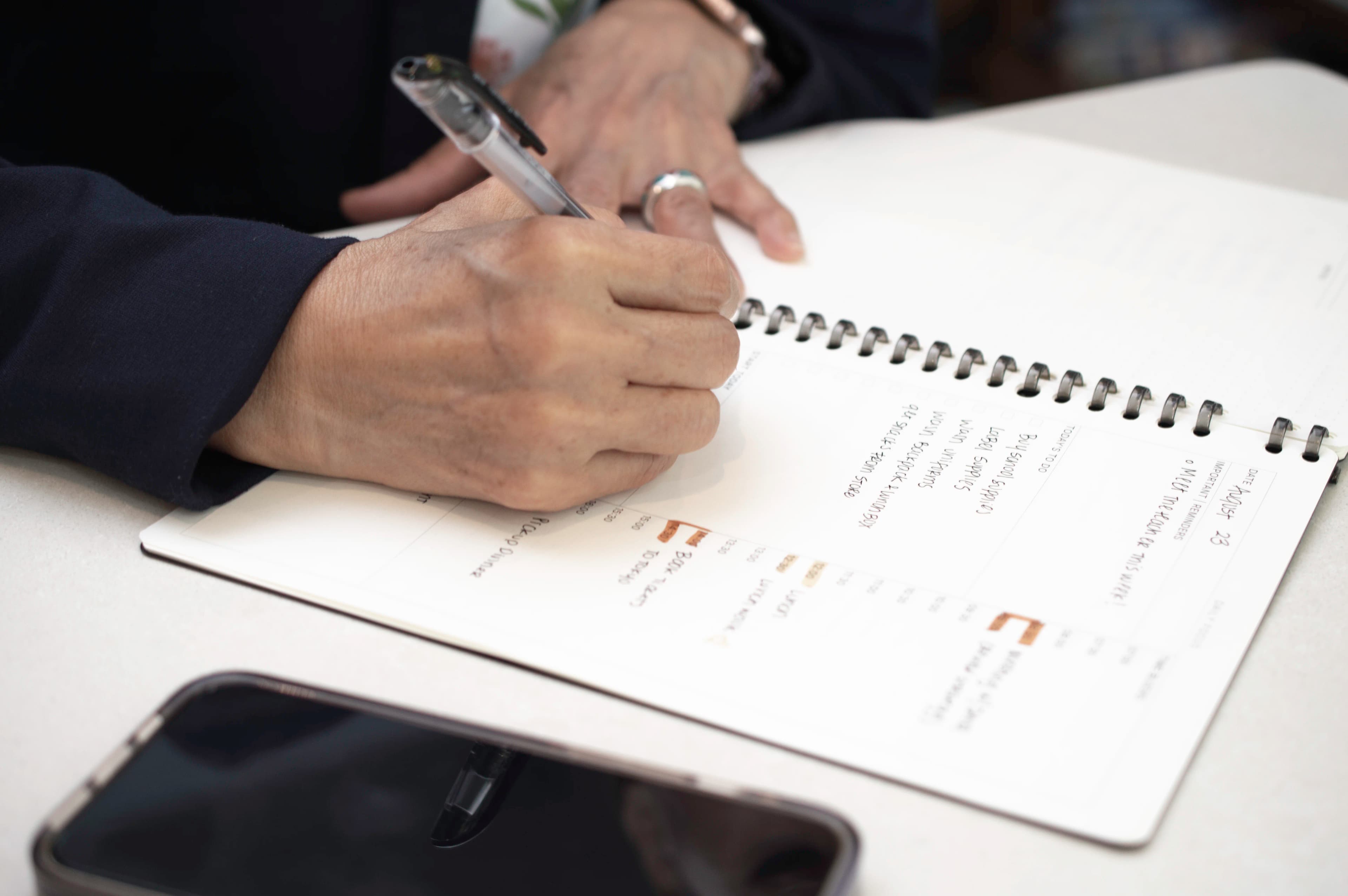
For years I started each day by reacting to whatever landed first. What changed things was planning the day before it starts, not to control it, but to know my trade-offs. When the unexpected hits, I can see exactly what I'd be giving up, and re-plan on purpose instead of scrambling.
Why did I stop reacting to my day?
Reacting felt like working hard. I answered the loudest thing first, then the next loudest, and by evening I was tired without being able to say what I had actually moved forward. The day ran me. I was busy, but I was not in charge of where the time went.
The fix was not more discipline or a better app. It was deciding what the day was for before the day started deciding for me.
What does planning actually give me?
Here is the part I did not expect. A plan does not make the day go the way you drew it. Something always comes up. What the plan gives you is a reference point, so that when something comes up, you can see its real cost.
I plan so that I know the trade-offs when the unexpected hits, and I re-plan on purpose.
Without a plan, an interruption just becomes the new priority by default. With one, I can look at the page and say plainly: if I take this now, this is what moves. That one sentence turns a scramble into a choice.
What does my routine look like now?
It is simple, which is why it lasts. The night before, or first thing in the morning, I lay out the day on a single page. Three things that actually matter go at the top. The rest of the day fills in around them.
One clear job per page keeps it honest. If everything is written down in one place, I cannot quietly pretend I have room for all of it. I can see the shape of the day, and the shape is the point.
What happens when the unexpected hits?
The unexpected still hits, often. The difference is what I do next. I look at the page, find what I would be trading, and decide with my eyes open. Sometimes the new thing wins and one of my three moves to tomorrow. Sometimes it can wait an hour. Either way, I made the call instead of the call making me.
That is where the sense of control comes from for me. Not from a perfect day, but from knowing the cost of a change before I agree to it.
How can you start if you feel overwhelmed?
If your days feel like they run you, you do not need a whole system to begin. This is what worked for me, in three small steps.
- Name three. Before the day starts, write the three things that would make it a good day. Just three.
- Put them on one page. Keep the whole day in one place so you can see it. One page, one clear job.
- When something comes up, name the trade. Before you say yes, decide out loud what moves to make room. That is the whole trick.
I built Griffin Opus around this way of working: one focused page at a time, easy to carry, easy to re-plan. If it sounds like the way you want your days to feel, you can build a system that fits how you work.
Quick answers
How can planning your day help when you feel overwhelmed?
Planning gives you a reference point for the day. When something unexpected comes up, you can see what you would be trading off to handle it and decide on purpose, instead of reacting to whatever is loudest. The sense of control comes from knowing the cost of a change.
What is the difference between planning your day and reacting to it?
Reacting means handling whatever lands first and letting the day set your priorities. Planning means deciding what the day is for before it starts, so interruptions become choices you make rather than defaults you accept.
How do you re-plan when something unexpected comes up?
Look at your plan, identify what you would trade to make room for the new thing, and decide deliberately. Sometimes the new task wins and something moves to tomorrow; sometimes it can wait. Either way, you are choosing rather than scrambling.
What is a simple way to start planning your day?
Write down the three things that would make the day good, keep the whole day on one page so you can see it, and when something comes up, name what moves before you say yes.
Will a planner actually help make my life easier?
For me, it did, though not by magic. Writing the day down did not add hours, but it made the day visible, so I stopped carrying it all in my head. Seeing my commitments on one page is what helped me feel less overwhelmed and more in control. Your experience may differ, but that was the shift for me.
How do you stop feeling behind at work?
What helped me was to stop measuring the day against everything and start measuring it against three things. When I name what actually matters that day and let the rest wait, I finish knowing I moved the right things forward. For me, feeling behind eased once I stopped trying to do all of it at once.
Put it into practice
Build your system.
Start with the binder and add the pages that match how you actually work.
Build your system →